STEELAGE BLOGS
Wed 10th June 2026
Vault Doors Explained: Features, Benefits & Buying Guide (2026)
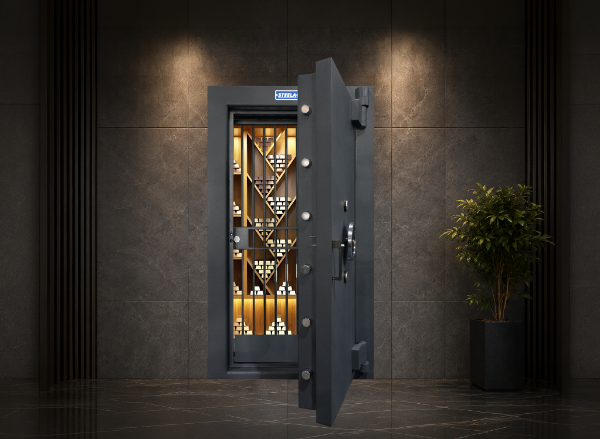
What is a vault door?
A vault door is a high-security reinforced steel door designed to protect valuables stored inside a vault or strong room. It combines advanced locking systems, heavy-duty steel construction, and tested burglary resistance to safeguard cash, jewellery, documents, and other valuable assets.
Introduction
Security requirements have evolved significantly over the past decade. Banks, jewellery retailers, financial institutions, pharmaceutical companies, government agencies, and luxury homeowners require much more than conventional safes to protect valuable assets.
A vault door forms the first line of defense for a secure vault room or strong room. Built using reinforced steel, precision locking systems, and advanced security engineering, vault doors are designed to resist burglary attempts while providing controlled access to authorized personnel.
Whether you're planning a new banking facility, upgrading a jewellery showroom, or creating a secure document storage area, understanding how vault doors work is essential before making an investment.
Why Vault Doors Matter
Unlike standard security doors, vault doors are specifically engineered to withstand sophisticated burglary attempts.
Their purpose is to protect:
- Cash reserves
- Gold and jewellery
- Precious metals
- Important legal documents
- Sensitive data storage
- Pharmaceuticals
- Luxury collectibles
For jewellery retailers and financial institutions, a professionally installed vault door significantly strengthens overall security and supports regulatory and insurance requirements.
Key Features of Modern Vault Doors
Reinforced Steel Construction
Modern vault doors are manufactured using heavy-duty steel combined with specialized barrier materials that increase resistance to drilling, cutting, and forced entry.
Advanced Locking Systems
Today's vault doors may include:
- Electronic digital locks
- Mechanical combination locks
- Dual-control locking systems
- Time-delay locks
- Biometric authentication
- Multi-user access control
These systems reduce unauthorized access while improving operational security.
Burglary Resistance
Vault doors are designed with:
- Anti-drill protection
- Hardened steel plates
- Multi-directional locking bolts
- Relocking mechanisms
- Tamper-resistant construction
These features make forced entry significantly more difficult.
Fire Protection
Many vault doors incorporate fire-resistant materials that help protect the contents of the vault during high-temperature incidents. Fire protection is especially valuable for safeguarding documents, records, and other sensitive materials.
Vault Door vs Strong Room Door
Although the terms are often used interchangeably, there are differences depending on the facility design.
|
Feature |
Vault Door |
Strong Room Door |
|
Primary Use |
Vault rooms |
Secure storage rooms |
|
Security Level |
Very High |
High |
|
Typical Users |
Banks, jewellery retailers |
Businesses, institutions |
|
Locking Options |
Advanced multi-lock systems |
Digital or mechanical |
|
Customization |
Extensive |
Moderate |
The appropriate choice depends on the security level, operational requirements, and regulatory needs of the facility.
Industries That Use Vault Doors
Banking
Banks use vault doors to protect cash reserves, confidential records, and customer valuables stored in secure areas.
Jewellery Retail
Jewellery retailers rely on vault doors to secure gold, diamonds, gemstones, and high-value inventory outside business hours.
Government
Government facilities use vault rooms for confidential documents, evidence storage, and sensitive materials.
Pharmaceutical Industry
Pharmaceutical companies may use secure vault rooms to protect controlled substances and regulated inventory.
Luxury Residences
High-net-worth homeowners increasingly install vault rooms to safeguard jewellery, artwork, firearms (where legally permitted), and important documents.
How to Choose the Right Vault Door
Before purchasing, consider:
Security Rating
Choose a vault door designed and tested for the level of protection required by your organization.
Size
Ensure the door dimensions match the vault room design and future storage capacity.
Lock Type
Select locking technology that aligns with operational workflows and security policies.
Fire Resistance
If documents or sensitive materials will be stored, consider fire-resistant construction.
Professional Installation
Proper installation is critical. Even the most secure vault door can underperform if it is not installed according to the manufacturer's specifications.
Best Practices for Vault Security
- Limit access to authorized personnel only.
- Use dual-authentication systems where appropriate.
- Integrate vault access with CCTV and intrusion alarms.
- Conduct routine inspections and maintenance.
- Update access credentials regularly.
- Train staff on emergency access procedures.
Are vault doors worth the investment?
Yes. Vault doors provide significantly higher protection than conventional security doors by combining reinforced construction, advanced locking systems, and controlled access. They are particularly valuable for banks, jewellery retailers, government facilities, and businesses storing high-value assets.
What is the purpose of a vault door?
A vault door protects valuables stored within a secure room by resisting burglary attempts and controlling access.
Are vault doors fire-resistant?
Many vault doors include fire-resistant construction to help protect documents and valuables during fire incidents.
How thick is a vault door?
Thickness varies depending on the security rating, design, and intended application.
Can vault doors use biometric locks?
Yes. Many modern vault doors support biometric authentication alongside digital or mechanical locking systems.
Who should install a vault door?
Professional installation by trained technicians is recommended to ensure proper alignment, anchoring, and performance.