STEELAGE BLOGS
Wed 28th October 2026
Bank Locker Safety: How Secure Is Your Locker? | Steelage
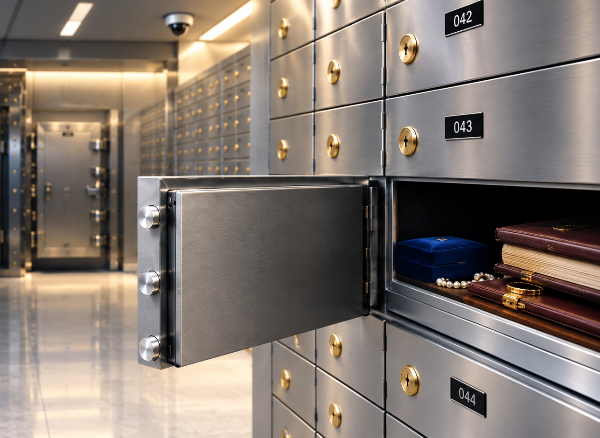
Bank Locker Safety: How Secure Is Your Bank Safe Deposit Locker?
Handing your jewellery, property papers and family heirlooms to a bank vault takes trust. Bank locker safety is the reason that trust is justified, or the reason to ask more questions. A bank safe deposit locker is more than a steel box. It is a system of construction, access control and bank procedure working together. Here is how that system works, what customers should check, and what banks should look for when installing lockers.
What Bank Locker Safety Really Covers
Safety in a bank safe deposit locker rests on four layers:
- The strong room or vault that houses the lockers
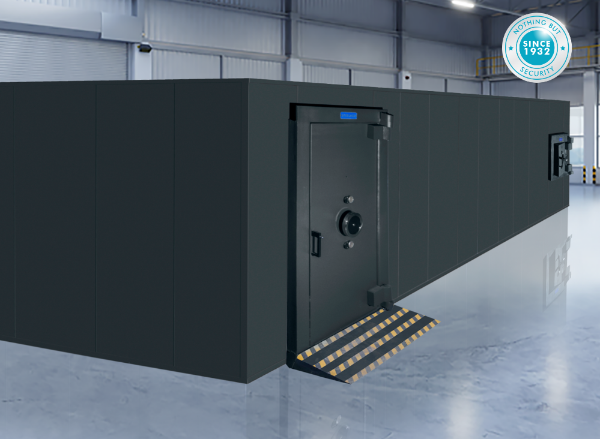
- The strong room protected by strong room door and it’s burglary certification
The locker’s own construction
- Dual-key access control
- Monitoring, records and bank procedures
Inside a Bank Safe Deposit Locker
Two locks, two keys
Steelage safe deposit lockers use two separate mechanical keylocks. The renter holds one key and the bank holds the other, so neither side can open the locker independently.
A solid steel door
Every locker door is a solid 10 mm steel plate, and the complete range is certified by the Bureau of Indian Standards under IS 5244. Independent certification matters because it shows the locker was tested for its performance against burglarious attacks with common hand tools.
The Bank Locker Security System Around the Locker
The locker is only one part of a bank locker security system. A well-run bank also protects the room around it:
- A strong room door or vault door certified against torch and tool attacks
- CCTV coverage of the locker area and entry points
- Access registers or a bank locker management system that records who entered, when, and which locker they opened
- Identity checks before every visit
- Regular servicing of locks and doors
- Practices differ between banks, so ask your branch what it uses.
Bank Locker Size: Why It Matters for Safety
Choosing the right bank locker size is part of keeping valuables safe. An oversized locker costs more in rent, while one that is too small tempts people to keep some items at home, where protection is weaker.
Steelage locker cabinets range from 10 to 90 lockers, and a single cabinet can mix sizes. Internal dimensions run from a compact type A locker (125 × 179 × 502 mm) suited to jewellery and small papers, up to a large type K locker (405 × 544 × 502 mm) that fits files and bulkier items.
Practical Tips for Customers
- Guard your key. Never duplicate it or hand it to anyone.
- Keep a copy of your agreement and note your locker number.
- Keep a separate list or photographs of what you store.
- Add a nominee to your locker record.
- Ask the branch about CCTV, fire protection and access logs.
- Insure valuables separately, since contents are usually not covered by the bank.
For Banks: Choosing Safe Deposit Lockers You Can Stand Behind
Customers judge a branch by its lockers. Steelage, a trusted name in physical security since 1932, supplies BIS-certified safe deposit lockers, strong room doors, vault doors and modular vaults. The Lumina option matches locker door colours to your branding, and annual maintenance contracts for strong room doors and safes keep equipment performing long after installation. Authorised service providers cover more than 7,000 pin codes.
Frequently Asked Questions
How safe is a bank locker?
A locker built to certified standards, housed in a monitored strong room and opened with dual keys is very secure. Overall bank locker safety also depends on the bank’s procedures.
Can a bank open my locker without me?
Not with its own key alone. Steelage lockers need both the renter’s key and the bank’s key to open.
What bank locker size should I choose?
Pick by what you plan to store. Small lockers suit jewellery and documents, while larger ones suit files and bulky items. Ask the branch for exact dimensions.
What is a bank locker management system?
It is a manual or digital process that records locker allotment, visits and access, creating an audit trail for every opening.
Does the bank insure what is inside my locker?
Generally not automatically. Liability is limited under RBI guidelines, so consider separate insurance for high-value items.
What should I store in a bank locker?
Jewellery, property papers, wills and other documents that are hard to replace. Avoid cash.
How can a bank buy Steelage safe deposit lockers?
Call 1800 209 3040 or send an enquiry through www.steelage.com to discuss configurations and installation.
Build Locker Security Your Customers Can Trust
Whether protecting valuables in a bank locker or upgrading your branch’s security infrastructure, it starts with certified equipment. Call Steelage on 1800 209 3040 or visit steelage.com to explore safe deposit lockers built to IS 5244.