STEELAGE BLOGS
Thu 9th April 2026
Setting Up a Safe at Home: Placement, Installation & Hidden Risks Most Homeowners Ignore
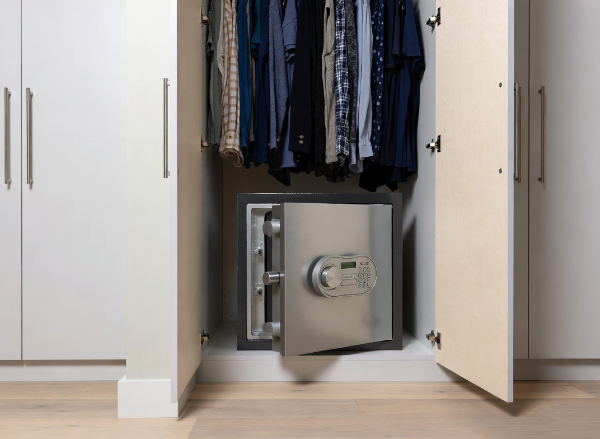
When people invest in a home safe, they often focus on what to buy — size, lock type, or brand. But what truly determines how secure your valuables are is how and where your safe is installed.
Even the most advanced, BIS-certified safe can become vulnerable if it’s poorly placed or incorrectly installed.
This guide walks you through the right way to set up a safe at home, along with critical mistakes and hidden risks most homeowners overlook.
Why Proper Safe Installation Matters More Than You Think
A safe is not just a storage box — it’s a security system.
Improper setup can:
- Make the safe easy to detect
- Allow burglars to move or tamper with it
- Reduce fire and theft resistance effectiveness
- Void warranty or insurance benefits in some cases
Bottom line: A poorly installed safe defeats its own purpose.
1. Choosing the Right Location: Visibility vs Accessibility
The biggest mistake? Placing a safe where it’s convenient instead of strategic.
Ideal placement principles:
- Low visibility: Avoid obvious places like wardrobes or master bedroom corners
- Controlled access: Choose areas with limited foot traffic
- Structural support: Install on solid concrete floors or load-bearing walls
- Environmental safety: Avoid damp areas (prevents corrosion and lock issues)
Smart placement ideas:
- Inside a concealed cabinet
- Behind a false panel or wall unit
- In a dedicated utility or storage room
2. The Golden Rule: Always Anchor Your Safe
One of the most overlooked risks is mobility.
If a burglar can’t open your safe on-site, they may simply carry it away.
Proper anchoring includes:
- Bolting the safe to the floor or wall
- Using manufacturer-approved anchor points
- Ensuring installation on concrete or reinforced surfaces
Important: Even heavy safes must be anchored. Weight alone is not security.
3. Installation Mistakes That Compromise Security
Many installations fail not because of the product, but due to poor execution.
Common mistakes:
- Placing the safe inside wooden furniture without anchoring
- Installing near windows or entry points
- Leaving visible gaps around the safe
- DIY installation without proper tools or expertise
- Ignoring manufacturer guidelines
A professional installation ensures:
- Correct alignment of locking systems
- Proper load distribution
- Maximum resistance to tampering
4. Hidden Risks Most People Don’t Consider
Risk 1: Pattern Visibility
If your safe is placed in an area accessed daily by staff, visitors, or helpers, it increases exposure risk.
Risk 2: Sound Leakage
Certain placements can make drilling or tampering less noticeable — especially in isolated corners or basements.
Risk 3: Fire Exposure
Placing safes near kitchens, electrical panels, or flammable materials increases vulnerability during fire incidents.
Risk 4: Overconfidence in Digital Locks
Digital safes are convenient, but poor placement (like eye-level visibility) can expose keypad usage patterns.
5. Home Type Matters: Customize Your Setup
Apartments:
- Prioritize compact, concealed safes
- Anchor to flooring (walls may be shared or hollow)
Independent Homes:
- Consider larger safes or strong room integration
- Multiple safe placements for risk distribution
High-value households (jewellery, cash storage):
- Strongly consider vault-grade solutions or strong room doors
6. Don’t Ignore After-Installation Practices
Your job isn’t done once the safe is installed.
Maintain security by:
- Changing digital codes periodically
- Avoiding predictable passwords (birthdates, anniversaries)
- Limiting access to trusted individuals only
- Conducting periodic checks on locking and anchoring
A safe is only as secure as its placement and installation.
Choosing a high-quality, BIS-certified safe is the first step — but strategic setup is what ensures real protection.
When done right, your safe becomes invisible, immovable, and virtually impenetrable.
Looking to secure your home the right way?
At Steelage, we don’t just offer BIS-certified safes, vaults, and strong room doors — we help you make the right security decisions, from selection to installation.
- Get expert guidance on choosing and installing the right safe for your home
- Explore our range of certified security solutions
- Speak to a specialist today for a customized recommendation